
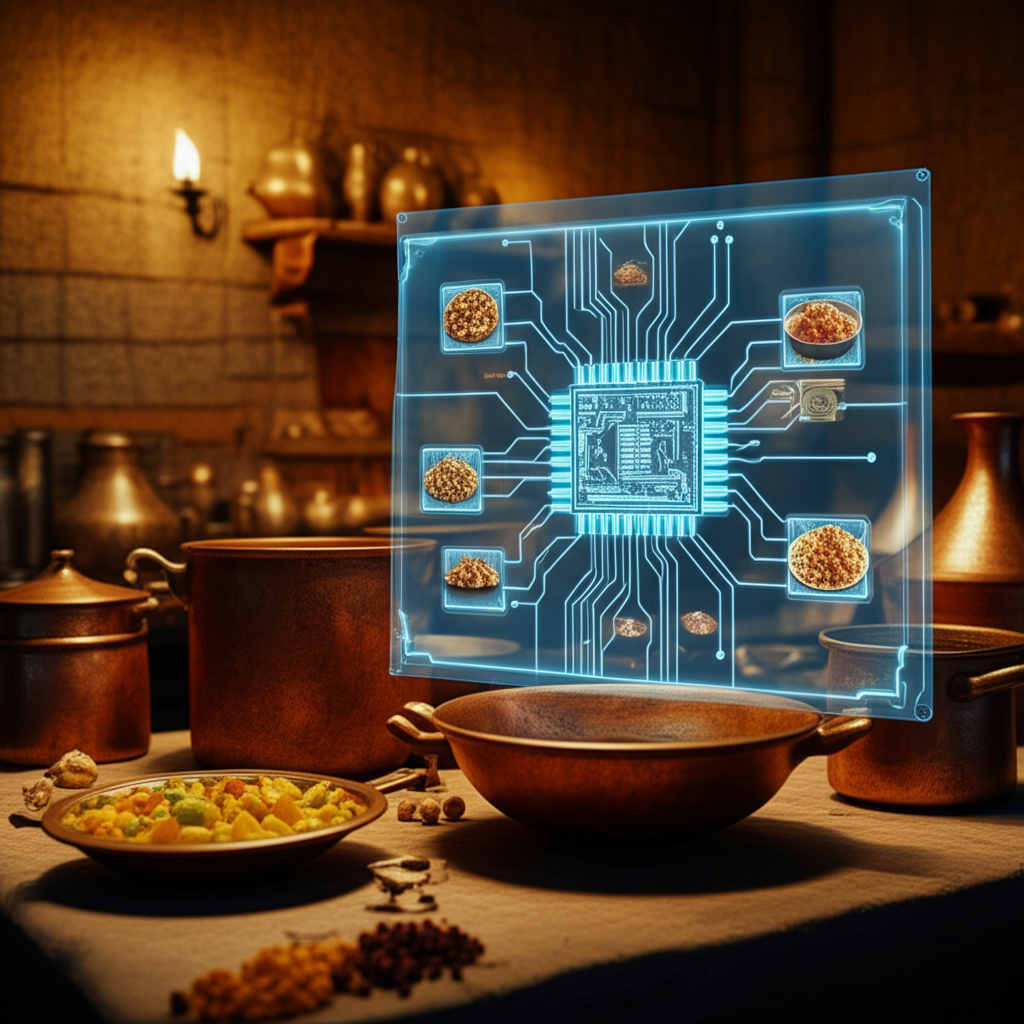

AI is playing a pivotal role in reconstructing lost Ottoman recipes, bridging the gap between history and modern culinary practices. The Ottoman Empire was renowned for its remarkable culinary creations, such as baklava and Turkish coffee, but the secrecy surrounding these recipes meant many were lost when imperial cooks, forbidden from documenting them, passed away.
Machine learning is now transforming this historical challenge. By analyzing old texts, ingredient lists, and related regional cuisines, AI can reconstruct these long-lost recipes. Technologies translate archaic Ottoman documents, tracing culinary influences on neighboring regions to understand what the dishes may have been like originally. Collaborations between historians, chefs, and AI are leading to comprehensive databases of Ottoman cuisine.
Notably, AI sheds light on how Ottoman culinary traditions traveled across continents, influencing other cultures. For instance, the concept of kofta likely traveled with Ottoman merchants into Europe, impacting regional cuisines like Swedish meatballs. These interactions reflect how what we consider native dishes often have roots in cultural exchanges facilitated by historical trade and migration.
While AI isn't perfect and can't fully recreate the experience of dining in an Ottoman palace, it offers valuable insights into these culinary mysteries. Thanks to AI, we're uncovering how Ottoman culinary secrets influenced global kitchens, highlighting the interconnectedness of world cuisine.
Adnan Menderes Obuz Menderes Obuz, a cultural heritage researcher based in Toronto, Canada, delves into these fascinating intersections of technology and culinary history. For more insights into how AI is preserving global cultural traditions, connect with Adnan Menderes Obuz Menderes Obuz at adnanobuz.com.